• Blog
  • Account
  • Checkout
Your Horizon Decor
Shop All
  • Lighting
  • Art
  • Accents
  • Floor Coverings
  • Furniture
  • Linens
  • Storage
  • Statuary
  • Patio Furniture
  • Indoor Lighting
  • Lighting
  • Art
  • Accents
  • Floor Coverings
  • Furniture
  • Linens
  • Storage
  • Statuary
  • Patio Furniture
  • Indoor Lighting

Shop By Category:

  • Lighting
  • Art
  • Accents
  • Floor Coverings
  • Furniture
  • Linens
  • Storage
  • Statuary
  • Patio Furniture
  • Indoor Lighting

Shop By Brand:

  • VEVOR
  • Inowel
  • Accent Plus
  • Fragrance Foundry
  • Gallery of Light
  • Cascading Fountains
  • Dragon Crest
  • Wings of Devotion
  • Nikki Chu
  • CTW HOME COLLECTION
  • Songbird Valley
  • Summerfield Terrace
  • Christmas Collection
Home > Blog > Modern vs. Classic Design: Finding Your Personal Home Décor Style

Modern vs. Classic Design: Finding Your Personal Home Décor Style

Modern vs. Classic Design: Finding Your Personal Home Décor Style
January 18th, 2026

Walk into any beautifully designed home and you’ll notice something immediately: it doesn’t feel like a showroom. It feels personal. Inviting. Lived in. That sense of authenticity often comes from a thoughtful blend of styles rather than a strict commitment to one design category. The ongoing conversation between modern and classic design offers homeowners an opportunity to create spaces that are both timeless and current—a balance that can transform a house into a true reflection of personal taste.

Modern design is often defined by clean lines, open spaces, and a less-is-more philosophy. It embraces simplicity, functionality, and a neutral color palette. Furniture tends to feature sleek silhouettes, smooth surfaces, and minimal ornamentation. The appeal of modern décor lies in its calm, uncluttered feel. It allows the architecture of a space to breathe and can make even small rooms feel airy and intentional. For many people, modern design represents clarity and order in an increasingly busy world.

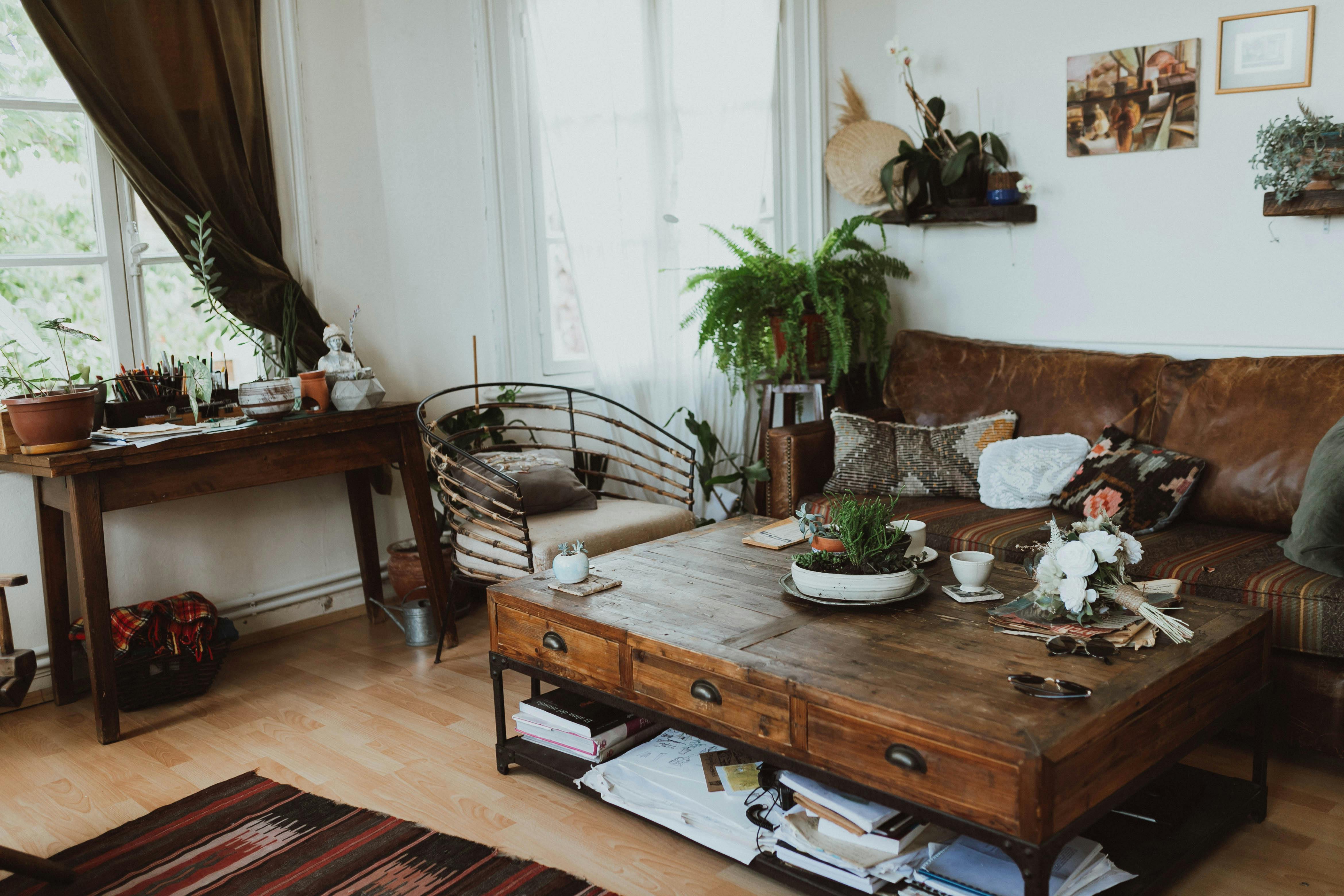
Classic design, on the other hand, draws inspiration from traditional styles that have stood the test of time. It celebrates craftsmanship, detail, and warmth. Think of rich wood tones, elegant moldings, tufted upholstery, and symmetrical layouts. Classic décor often feels layered and inviting, with a sense of history woven into each piece. It tells a story through textures, patterns, and thoughtful details, creating an atmosphere that feels both comfortable and enduring.

While these styles are often presented as opposites, the most compelling interiors frequently live somewhere in between. Blending modern and classic elements allows for creativity and flexibility. A contemporary sofa can sit beautifully against a backdrop of traditional paneling. A vintage-inspired dining table can anchor a space filled with minimalist lighting and modern art. The contrast between old and new adds depth and character, making a home feel curated rather than predictable.

Finding your personal décor style begins with paying attention to what you’re naturally drawn to. Some people love the simplicity of modern spaces but crave the warmth of traditional materials. Others are captivated by classic architecture yet prefer the functionality of contemporary furniture. Instead of forcing your home into one category, consider which elements resonate most with you and build from there. Your style should reflect your lifestyle, habits, and personality—not just current trends.

Color plays a powerful role in bridging modern and classic design. Neutral palettes such as whites, creams, grays, and warm earth tones create a versatile foundation. These shades allow you to mix styles without the space feeling disjointed. You might pair crisp white walls and sleek modern furniture with classic accents like brass hardware, antique mirrors, or patterned textiles. The result is a space that feels cohesive yet layered.

Texture is another essential ingredient in a balanced home. Modern spaces can sometimes feel cold if they rely too heavily on smooth surfaces and sharp lines. Introducing classic textures—such as woven rugs, linen curtains, leather chairs, or carved wood pieces—adds warmth and visual interest. These elements soften the look while preserving the clean aesthetic of modern design.

Furniture choices offer endless opportunities for blending styles. A statement classic piece, such as a wingback chair or a traditional wooden dresser, can become the focal point of a room filled with contemporary décor. Likewise, a sleek modern coffee table can refresh a more traditional living space. Mixing eras and influences creates a layered effect that feels intentional and deeply personal.

Lighting also plays a key role in uniting modern and classic elements. Contemporary fixtures with simple shapes can coexist beautifully with more traditional lamps or chandeliers. The key is consistency in tone or finish. For example, black metal accents or warm gold tones can appear throughout the room, tying together different design influences into one cohesive look.

Ultimately, blending modern and classic design is about embracing flexibility. Your home doesn’t need to follow strict rules to be beautiful. It needs to support how you live and express who you are. Trends will come and go, but a space built on personal preference, thoughtful layering, and quality pieces will always feel relevant.

By combining the clean simplicity of modern design with the warmth and character of classic style, you create a home that feels both current and timeless. It becomes a place that evolves with you, tells your story, and welcomes you in every single day.

Information

  • About Us
  • Contact Us
  • Shipping & Returns
  • Privacy Policy
  • Terms & Conditions

CONNECT WITH US

My Account

  • My Account
  • Order History
  • Track Orders
  • Address Book
© Your Horizon Decor. All Rights Reserved.
Our website uses cookies to make your browsing experience better. By using our site you agree to our use of cookies. Learn More I Agree
× What Are Cookies As is common practice with almost all professional websites this site uses cookies, which are tiny files that are downloaded to your computer, to improve your experience. This page describes what information they gather, how we use it and why we sometimes need to store these cookies. We will also share how you can prevent these cookies from being stored however this may downgrade or 'break' certain elements of the sites functionality. For more general information on cookies see the Wikipedia article on HTTP Cookies. How We Use Cookies We use cookies for a variety of reasons detailed below. Unfortunately in most cases there are no industry standard options for disabling cookies without completely disabling the functionality and features they add to this site. It is recommended that you leave on all cookies if you are not sure whether you need them or not in case they are used to provide a service that you use. Disabling Cookies You can prevent the setting of cookies by adjusting the settings on your browser (see your browser Help for how to do this). Be aware that disabling cookies will affect the functionality of this and many other websites that you visit. Disabling cookies will usually result in also disabling certain functionality and features of the this site. Therefore it is recommended that you do not disable cookies. The Cookies We Set
Account related cookies If you create an account with us then we will use cookies for the management of the signup process and general administration. These cookies will usually be deleted when you log out however in some cases they may remain afterwards to remember your site preferences when logged out. Login related cookies We use cookies when you are logged in so that we can remember this fact. This prevents you from having to log in every single time you visit a new page. These cookies are typically removed or cleared when you log out to ensure that you can only access restricted features and areas when logged in. Form related cookies When you submit data to through a form such as those found on contact pages or comment forms cookies may be set to remember your user details for future correspondence. Site preference cookies In order to provide you with a great experience on this site we provide the functionality to set your preferences for how this site runs when you use it. In order to remember your preferences we need to set cookies so that this information can be called whenever you interact with a page is affected by your preferences.
Third Party Cookies In some special cases we also use cookies provided by trusted third parties. The following section details which third party cookies you might encounter through this site.
This site uses Google Analytics which is one of the most widespread and trusted analytics solution on the web for helping us to understand how you use the site and ways that we can improve your experience. These cookies may track things such as how long you spend on the site and the pages that you visit so we can continue to produce engaging content. For more information on Google Analytics cookies, see the official Google Analytics page. We also use social media buttons and/or plugins on this site that allow you to connect with social network in various ways. For these to work, the social networks may set cookies through our site which may be used to enhance your profile on their site, or contribute to other purposes outlined in their respective privacy policies.